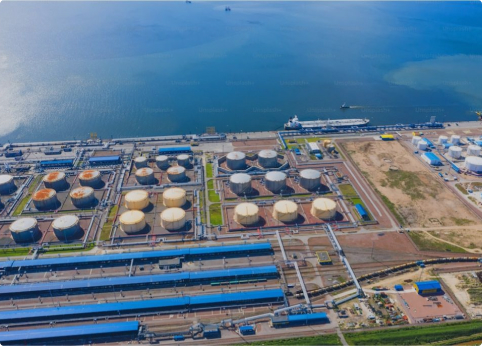
Quick answer: Liquefied natural gas (LNG) exports let domestic gas reach global buyers, tying local prices more closely to international demand. This added demand and global linkage introduce new price drivers and volatility that natural gas hedging strategies increasingly have to account for.
What are LNG exports?
LNG is natural gas cooled to liquid form for shipment overseas, then regasified at its destination. Growing export capacity connects domestic markets to global demand, changing the price environment for natural gas hedging.
How do LNG exports affect prices?
Exports add demand that can tighten domestic supply and lift prices, while linking them to global supply chains and international events. This can increase volatility.
What does this mean for hedging?
Firms account for export-driven demand and global linkages in their exposure view and hedge consistently against the resulting volatility. Mobius Risk Group's hedge strategy solutions help firms manage exposure in a globalizing market.
Frequently asked questions
How do LNG exports affect domestic gas prices?
They add demand that can tighten supply and lift prices, and link domestic prices to global markets.
Do LNG exports increase volatility?
They can, by exposing domestic prices to international demand and events.
How should hedging respond?
By incorporating export demand and global drivers into exposure analysis and hedging consistently.