Quick answer: The future of natural gas hedging is being shaped by the energy transition, growing LNG exports, technological advances, and evolving regulation. These forces will change price dynamics and the tools available, rewarding firms that keep their hedging strategies and analytics current rather than static.
What forces are shaping the future?
The transition to lower-carbon energy, the globalization of gas through LNG, and rapid technological change are all reshaping the market that natural gas hedging operates in. Regulation continues to evolve alongside them.
How will markets and technology change?
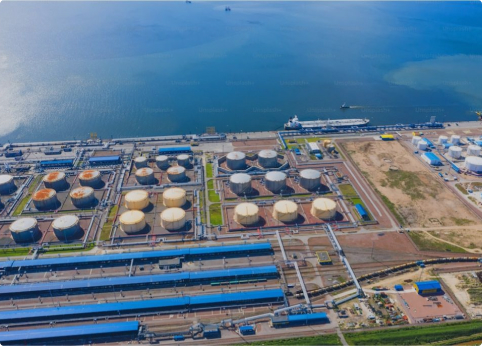
Growing LNG exports tie US prices more closely to global markets, while technological innovations and analytics improve forecasting and execution. Both raise the sophistication hedging demands.
How should firms prepare?
Firms should keep exposure measurement and analytics current, monitor the regulatory environment, and adapt instruments as markets evolve — all while hedging against policy. Mobius Risk Group's hedge strategy solutions help firms stay ahead.
Frequently asked questions
How will the energy transition affect gas hedging?
It will shift demand patterns and introduce carbon considerations, changing price dynamics and the horizons over which firms hedge.
How do LNG exports change hedging?
They link domestic prices more closely to global markets, adding new drivers and, at times, volatility to manage.
What should firms do to prepare?
Keep analytics and exposure measurement current, watch regulation, and adapt instruments while maintaining policy discipline.