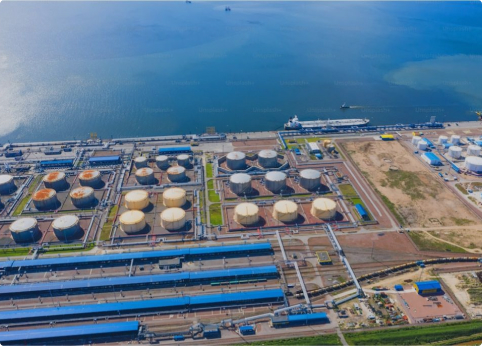
Quick answer: Physical risk management is the discipline of protecting an organization's tangible assets, facilities, people, and operations from threats such as natural disasters, equipment failure, and safety hazards. Its aim is operational resilience — keeping facilities running, assets intact, and people safe — by identifying physical threats in advance and putting prevention, protection, and recovery measures in place before they materialize.
What is physical risk management?
Physical risk management is the process of identifying, assessing, and mitigating risks to an organization's physical assets and infrastructure. Where financial risk management deals with prices, credit, and cash flow, physical risk management deals with the tangible world: plants, pipelines, equipment, buildings, and the people who operate them. It combines engineering, safety, insurance, and planning disciplines to reduce the likelihood of damaging events and to limit their impact when they do occur.
Why does physical risk management matter?
Physical events can halt operations, destroy value, and endanger lives in ways that are often more immediate and visible than financial losses. A hurricane, an equipment failure, a fire, or a safety incident can take a facility offline for weeks, trigger regulatory scrutiny, and damage a company's reputation and relationships. For asset-intensive industries such as energy, where operations depend on wells, pipelines, processing plants, and power infrastructure, managing physical risk is central to staying in business. Effective physical risk management protects not only assets and earnings but also worker safety, community trust, and the continuity of service that customers depend on.
What are the main types of physical risk?
Physical risks span several categories. Natural hazards include hurricanes, floods, earthquakes, wildfires, and extreme temperatures. Operational and equipment risks arise from machinery failure, process breakdowns, and aging infrastructure. Safety and human risks cover workplace accidents, health hazards, and human error. Security risks include theft, vandalism, sabotage, and unauthorized access. Increasingly, climate-related risks intensify many of these hazards over time. Our guides to managing natural disaster risks and the impact of climate change on physical risk management explore these threats in more depth.
How does the physical risk management process work?
The process mirrors other risk disciplines but is grounded in the physical environment. It begins with a thorough risk assessment that maps assets, identifies hazards, and estimates the likelihood and severity of potential events. Next comes mitigation: engineering controls, maintenance programs, safety systems, and physical protections that reduce exposure. Then preparedness — emergency response and business continuity plans that define how the organization will react and recover. Finally, monitoring and review keep the program current as assets age, operations change, and new hazards emerge. Our overview of the role of risk assessment details the first and most important stage.
What strategies are used to manage physical risk?
Several complementary strategies reduce physical risk. Infrastructure resilience — designing and reinforcing assets to withstand hazards — reduces the chance of damage in the first place. Business continuity planning ensures operations can continue or recover quickly after a disruption. Predictive and preventive maintenance catches equipment problems before they cause failures. Insurance transfers the financial consequences of events that cannot be fully prevented. And robust safety and emergency planning protects people and limits the severity of incidents. See our guides to business continuity planning, infrastructure resilience, and the role of insurance for detail on each.
What are the benefits and common pitfalls?
A strong physical risk management program protects assets, keeps operations running, safeguards workers, and reduces both insurance costs and unplanned losses. The common pitfalls are treating risk assessment as a one-time exercise rather than an ongoing discipline, underinvesting in maintenance and resilience until after an incident, planning for familiar hazards while ignoring emerging ones such as climate change, and building continuity plans that are never tested. As with financial risk, the danger lies in mistaking documentation for genuine preparedness.
What are best practices, and where does expert support fit?
Best practice is to assess physical risk continuously, invest in resilience and maintenance proactively, test emergency and continuity plans regularly, and integrate physical risk into the organization's broader risk governance rather than treating it in isolation. Expert support helps by bringing objective assessment of assets and exposures and by connecting physical risk to the financial and commercial picture. Mobius Risk Group's physical solutions and asset and acquisition review services help energy companies evaluate and manage the physical dimensions of risk alongside their financial exposures.
Frequently asked questions
How is physical risk management different from financial risk management?
Physical risk management protects tangible assets, facilities, and people from events such as disasters and equipment failure, while financial risk management protects cash flow and earnings from market, credit, and liquidity risk. The two are complementary, and a complete program addresses both.
What are the main types of physical risk?
Natural hazards, operational and equipment failures, safety and human risks, and security risks, with climate change increasingly amplifying several of these categories over time.
What is the role of insurance in physical risk management?
Insurance transfers the financial consequences of events that cannot be fully prevented. It complements, rather than replaces, prevention and resilience measures that reduce the likelihood and severity of those events.
Why is business continuity planning important?
Because even well-protected operations can be disrupted, a continuity plan defines how the organization will keep running or recover quickly, limiting downtime, lost revenue, and reputational harm after an incident.