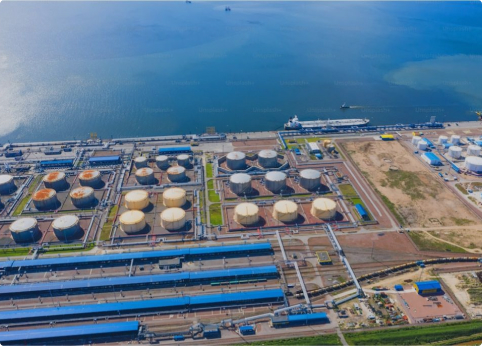
Quick answer: Infrastructure resilience is the capacity of physical assets and systems to withstand, adapt to, and recover from adverse events. By designing and reinforcing infrastructure to resist hazards and bounce back quickly, resilience reduces both the damage an event causes and the downtime that follows.
What is infrastructure resilience?
Resilience is more than strength; it is the ability to keep functioning, or recover fast, under stress. Building it into assets is one of the most effective strategies in physical risk management because it reduces harm at the source.
How is resilience built?
Resilience comes from robust design, hardening assets against likely hazards, building in redundancy so no single failure is catastrophic, and enabling rapid repair. These measures directly reduce the impact of events assessed in risk assessment.
Why is resilience increasingly important?
As climate change intensifies hazards and infrastructure ages, resilience is essential to keep operations reliable. It complements continuity planning.
How does resilience pay off?
Resilient infrastructure avoids losses, protects service continuity, and often lowers insurance costs. Mobius Risk Group's physical solutions help energy operators assess and strengthen infrastructure resilience.
Frequently asked questions
What is infrastructure resilience?
The ability of physical assets and systems to withstand, adapt to, and recover from adverse events with minimal damage and downtime.
How is resilience built into infrastructure?
Through robust design, hazard hardening, redundancy, and the capacity for rapid repair and recovery.
Why is resilience more important now?
Because climate change intensifies hazards and aging infrastructure raises failure risk, making resilience essential for reliable operations.