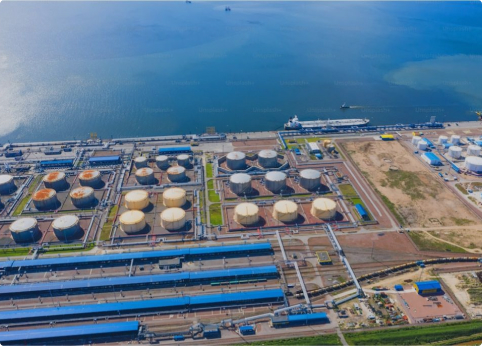
Quick answer: New pipelines, storage, and LNG terminals change where and how natural gas flows, which affects regional prices and basis relationships. These infrastructure developments reshape the exposures companies face, making them an important consideration in hedging strategy.
Why does infrastructure matter for prices?
Infrastructure determines whether gas can reach demand. New pipelines can relieve bottlenecks and narrow regional price gaps, while constraints widen them — directly affecting the basis risk central to natural gas hedging.
How do developments affect basis and prices?
Added pipeline or LNG capacity can shift price relationships between hubs, changing the gap between benchmark and local prices. This is why understanding storage and transport capacity matters for hedging.
How do firms hedge around infrastructure change?
Firms monitor capacity additions and adjust basis hedges and delivery-point exposure accordingly. Mobius Risk Group's hedge strategy solutions help firms manage basis and location risk as infrastructure evolves.
Frequently asked questions
How does infrastructure affect gas prices?
It determines whether gas can reach demand; new capacity narrows regional price gaps while constraints widen them.
What is basis risk?
The difference between a benchmark price and the price at a specific delivery point, which infrastructure changes can shift.
How does hedging adapt to infrastructure?
By monitoring capacity changes and adjusting basis and delivery-point hedges accordingly.