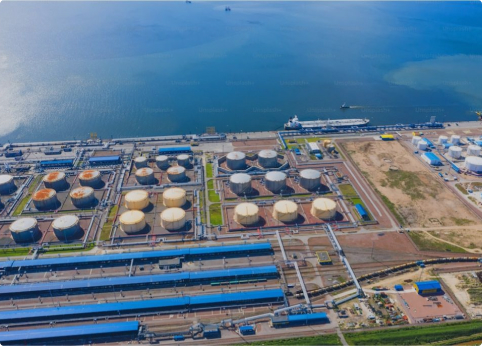
Quick answer: Fire safety protects people, assets, and operations from one of the most destructive physical hazards. Through prevention, detection, suppression, and trained response, it addresses a risk that is especially acute in energy operations that handle flammable and hazardous materials.
Why is fire safety critical?
Fire can cause catastrophic loss of life and assets within minutes, and energy facilities often store or process flammable materials that raise the stakes. Fire safety is therefore a high-priority element of physical risk management.
How is fire risk prevented?
Prevention includes controlling ignition sources, safe storage and handling of flammable materials, electrical safety, and housekeeping. Prevention is always cheaper and safer than response, and links to facility management.
What about detection, suppression, and response?
Detection systems (alarms, sensors), suppression systems (sprinklers, specialized agents), and trained response and evacuation — coordinated with emergency planning — limit the damage when a fire starts.
How is fire safety maintained?
Through regular inspection, testing, compliance with fire codes, and training. Mobius Risk Group's physical solutions support safety and resilience across energy facilities.
Frequently asked questions
Why is fire safety important in energy operations?
Because energy facilities often handle flammable materials, making fire a high-consequence hazard to people and assets.
What are the elements of fire safety?
Prevention, detection, suppression, and trained response, supported by compliance and regular testing.
How is fire risk prevented?
By controlling ignition sources, safely storing flammable materials, maintaining electrical safety, and good housekeeping.